
OpenAI DevDay Unveils “Dots” Autonomous Agents Alongside Sweeping Upgrades from Anthropic and Google
OpenAI has launched Dots—autonomous AI agents with dedicated cloud compute—alongside major model releases from Anthropic and Google. Here is the full breakdown.
- The Agent Paradigm Shift: OpenAI’s flagship launch, “Dots,” moves generative AI from reactive single-prompt chat windows to persistent, autonomous cloud workers that execute long-horizon enterprise tasks.
- Ecosystem Infrastructure: Alongside GPT-6.1 Sol and Astra Ultrafast, OpenAI rolled out ChatGPT Space, collaborative AI-native Pages, and Codex Cloud environments.
- Industry-Wide Acceleration: The broader market matched the push: Anthropic released Claude Sonnet 5.5 with 30% faster throughput, Google unveiled Gemini 4 Argon featuring a 1M output decode window, and Perplexity launched proactive background automations.
The artificial intelligence sector has reached a critical turning point: models are transitioning from chatbots that wait for user prompts to autonomous digital agents capable of executing multi-day tasks in the cloud.
At OpenAI’s developer conference in San Francisco, the company introduced Dots—persistent AI agents designed to handle end-to-end responsibilities across connected enterprise tooling. Paired with major updates from Anthropic, Google DeepMind, Perplexity, and Microsoft, the latest releases outline an industry-wide pivot toward autonomous workflow execution.
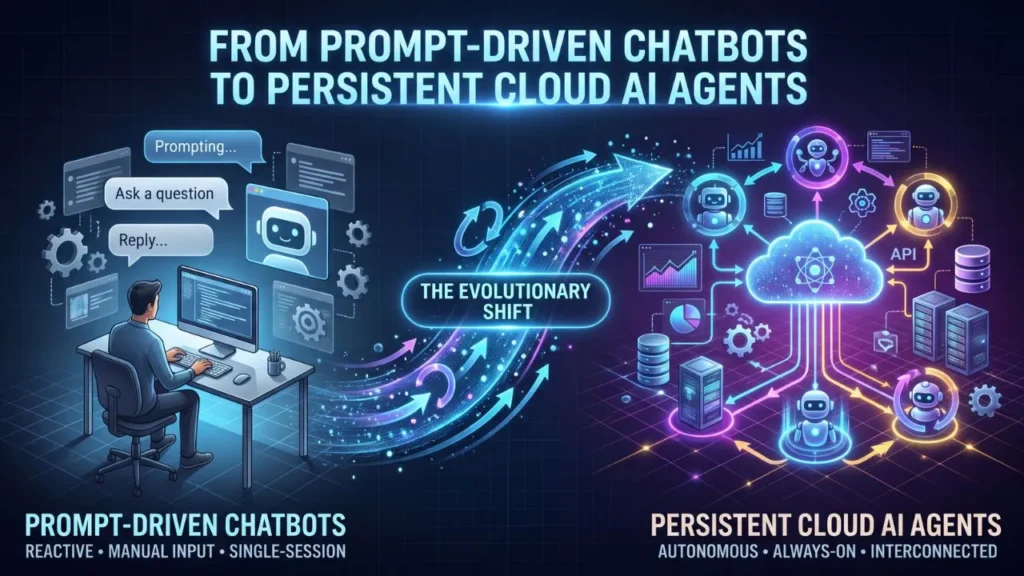
1. Inside OpenAI Dots: The Emergence of Persistent “AI Workers”
Unlike conventional ChatGPT interactions that pause once an answer is generated, a Dot operates with a dedicated cloud container and runs autonomously in the background.
                    ┌─────────────────────────────────┐
                    │      Autonomous Goal Queue      │
                    └────────────────┬────────────────┘
                                     │
           ┌─────────────────────────┼─────────────────────────┐
           ▼                         ▼                         ▼
┌────────────────────┐    ┌────────────────────┐    ┌────────────────────┐
│   Continuous Cloud │    │ Connected Tool APIs│    │  Human-in-the-Loop │
│    Environment     │    │ (Slack, Meet, JIRA)│    │ Checkpoints & Voice│
└────────────────────┘    └────────────────────┘    └────────────────────┘
- Always-On Autonomous Execution: Powered by GPT-6 Astra, each Dot maintains independent execution loops. It monitors connected software (via ChatGPT plugins and Model Context Protocol/MCP connections), detects events, and executes tasks without active human prompts.
- Proactive Problem Solving: Demonstrated enterprise scenarios include an agent detecting a canceled vendor, cross-referencing team calendars, booking a replacement, and preparing meeting notes directly for executive sign-off.
- On-the-Fly Voice Check-Ins: Users can initiate real-time voice calls to a running Dot to review progress, reprioritize queues, or assign ad-hoc tasks while the agent continues background processing.
- Pricing & Availability: Dots have initially rolled out for ChatGPT Pro and Business tiers, supported by dedicated virtual cloud environments.
2. GPT-6.1 Sol and Astra Ultrafast: Balancing Cost and Throughput
To support persistent agents running for hours across millions of context tokens, OpenAI split its inference architecture into two dedicated performance profiles:
| Model Tier | Core Optimization | Benchmark Performance | Pricing Metric |
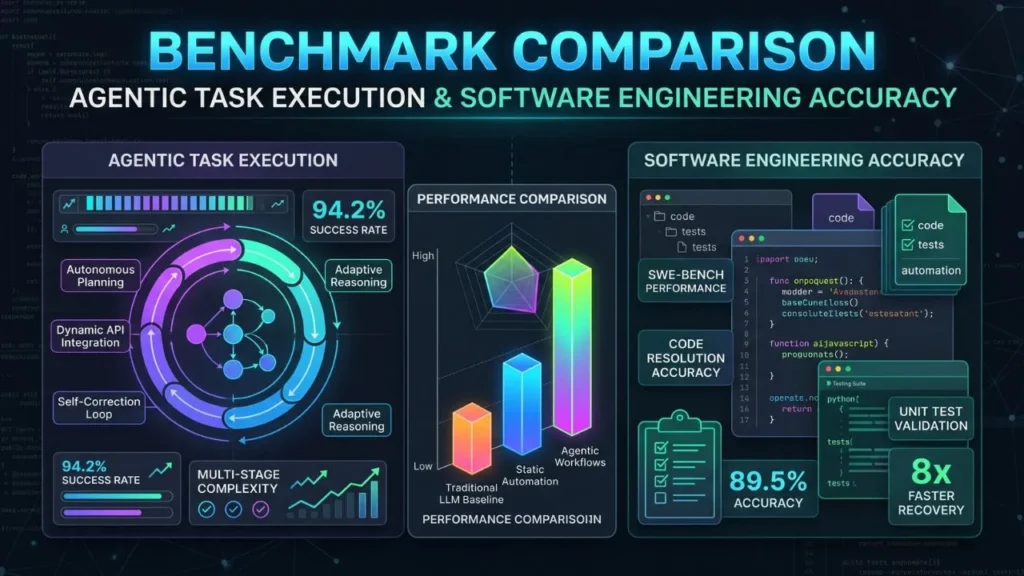
| GPT-6.1 Sol | Long-running cost efficiency | 71.4% on OSWorld; 75.2% on DeepSWE | $0.10 per 1M cached input tokens (95% reduction) |
| Astra Ultrafast | Low-latency responsiveness | Up to 300 tokens/sec (8x faster inside Codex) | Designed for real-time voice, robotics, and IDE code gen |
The cost dynamics of GPT-6.1 Sol are critical for enterprise scale. When an autonomous agent repeatedly reads large code repositories, executes tool calls, and references conversation history, aggressive input caching lowers operational inference bills.
3. Codex Cloud and Enterprise Knowledge Spaces
OpenAI also revamped its developer and workplace toolchains:
- Codex Cloud & Remote Execution: Developers can offload heavy refactoring tasks—such as rewriting complete microservices—to cloud environments from any device, freeing local computing capacity.
- Codex Security Cloud: Autonomous repository monitors identify software vulnerabilities across pull requests, analyze dependencies, and generate verified patches.
- ChatGPT Space & Pages: A shared canvas allowing human teams and autonomous agents to collaboratively author living documents, generate data visualizations, and export native presentation decks directly to PowerPoint and Google Slides.
4. Competitive Countermoves: Anthropic, Google, and Perplexity
OpenAI’s announcements coincide with high-velocity releases across competing artificial intelligence labs:
Anthropic Launches Claude Sonnet 5.5
Anthropic officially unveiled Claude Sonnet 5.5, positioning it as the workhorse model for daily enterprise deployment. Compared to its predecessor, Sonnet 5.5 delivers 30% faster output generation and lowers end-task costs by up to 30% via improved reasoning efficiency. The release incorporates enhanced cybersecurity safeguards and improved computer-use capabilities first introduced in the Opus tier.
Google Deploys Gemini 4 Argon for Deep Reasoning
Google DeepMind released Gemini 4 Argon, engineered specifically for long-horizon mathematical, engineering, and vulnerability analysis:
- Massive Output Decoding: Supports unified input/output context up to 1 million tokens, allowing the model to generate extensive codebase migrations and deep audits without context truncation.
- Engineering Performance: Scored 77.9% on the DeepSWE benchmark and secured top placement on AutomationBench for multi-step tool use.
Perplexity Expands Proactive Background Automations
Perplexity updated its “Computer” product layer to execute scheduled and event-triggered background automations across third-party workspaces like Slack, Linear, and GitHub. Rather than acting as a static search engine, the system detects inbound alerts (such as revenue churn notifications or code review delays), summarizes the risk, and prepares actionable response drafts before the user opens the client.
The Broader Shift Toward “Harnessed” Machine Intelligence
The unifying theme across these announcements is the emphasis on the system harness. Raw model reasoning is no longer the sole competitive moat; utility now hinges on how effectively models integrate with operating systems, terminal environments, developer APIs, and external enterprise tools.
As persistent digital agents transition from experimental developer previews to production deployments, enterprise workflows are shifting from single-turn prompt engineering toward managing autonomous, coordinated networks of AI agents.



1 thought on “OpenAI DevDay Unveils “Dots” Autonomous Agents Alongside Sweeping Upgrades from Anthropic and Google”