
How Daily Micro-Learning AI Platforms Are Driving Dealership Service Revenue
Automotive dealerships are deploying daily 3-minute AI micro-training simulations for service advisers, boosting customer-pay repair order approvals and fixed ops retention.
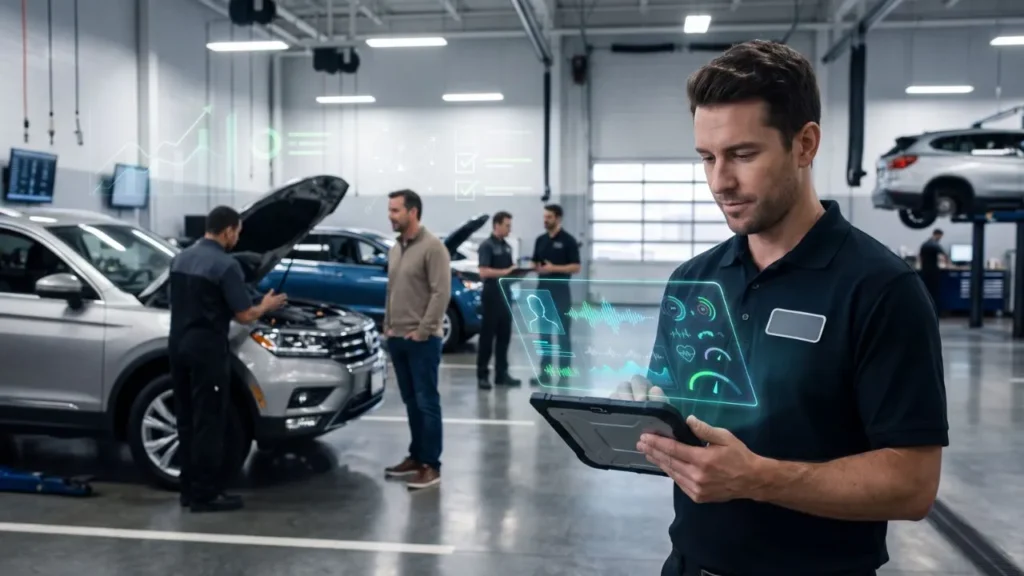
Automotive dealerships and fixed-operations departments are increasingly turning to micro-learning AI coaching platforms to boost repair order (RO) authorization rates, customer retention, and service lane revenue.
Service advisers are the primary financial bridge between vehicle owners and repair technicians. However, service drives are fast-paced and high-stress: advisers rarely have time to sit through half-day seminar modules or lengthy off-site training sessions. Micro-training platforms solve this bottleneck by using AI to simulate, evaluate, and coach advisers in 3 to 5 minutes a day.
1. How “Minutes-a-Day” AI Training Works
- Bite-Sized Interactive Simulations (Micro-Coaching): Rather than reading manuals, advisers spend 2 to 3 minutes at the start of a shift role-playing realistic customer conversations via an AI chat or voice interface.
- Realistic Customer Personas: The AI simulates diverse customer archetypes—skeptical owners questioning a $1,200 brake overhaul, budget-conscious drivers hesitant about preventative maintenance, or frustrated EV owners dealing with diagnostic warnings.
- Instant, Objective Feedback: Within seconds of finishing the exercise, the AI grades the adviser on clarity, empathy, technical translation (explaining complex issues in plain English), and overcoming common cost objections.
- Call Analysis & Daily Coaching Prompts: Advanced dealership AI platforms transcribe and analyze real recorded service calls or walk-around conversations. The AI identifies specific recurring patterns (e.g., failing to present tiered maintenance options or struggling with safety explanations) and serves targeted 60-second micro-lessons addressing those exact blind spots the next morning.
2. Why It Unlocks More Repair Work (Higher Effective ROs)
Service AI identifies revenue often leaks not because vehicles don’t need work, but because of poor presentation at the service counter:
- Shifting from “Pushy Sales” to Consultative Education: Unprepared advisers often dump technical jargon or quote high repair totals abruptly, triggering an immediate defensive “decline” from the customer. Daily AI roleplay trains advisers to present Multi-Point Inspection (MPI) findings as safety and reliability consultations rather than aggressive upselling.
- Mastering Common Objections On-the-Fly: Advisers practice overcoming phrases like “Can’t this wait until my next oil change?” or “My local independent shop quoted less.” Consistent daily repetition builds muscle memory, allowing advisers to respond confidently under pressure.
- Higher Hours per Repair Order (CP HPRO): Dealerships implementing daily AI training frequently observe an uptick in Customer-Pay Hours Per Repair Order and higher customer authorization rates for recommended maintenance (such as fluid flushes, belt replacements, and tire sets).
- Enhanced Transparency and Trust: Advisers learn to leverage digital vehicle inspections (DVIs) with video and photo evidence, framing the technician’s findings clearly so customers feel empowered to approve needed work.
3. Key Benefits for Dealerships
| Operational Challenge | Traditional Training Approach | Daily AI Micro-Training |
| Time Constraints | Requires 4–8 hour workshops that pull advisers away from the counter | Takes 3–5 minutes per shift on mobile or desktop |
| Retention & Consistency | 80% of seminar material is forgotten within a month | Spaced repetition reinforces communication daily |
| New Hire Onboarding | Steep learning curve spanning 3 to 6 months | Accelerated ramp-up with safe, risk-free simulated practice |
| Revenue Impact | Sporadic bumps following annual training sessions | Steady, measurable increases in approved repair work and CSI scores |
By embedding short, adaptive coaching exercises into daily routines, dealerships build higher-performing service advisers who communicate value clearly, earning customer trust and closing critical repair work without adding operational friction to the shop floor.