Russia Central Bank Approves Bitcoin, Ether and USDT Trading for Retail Investors
Russia central bank approved Bitcoin, Ether and USDT for retail trading from Nov 17, with a 300,000-ruble yearly limit and a mandatory test.
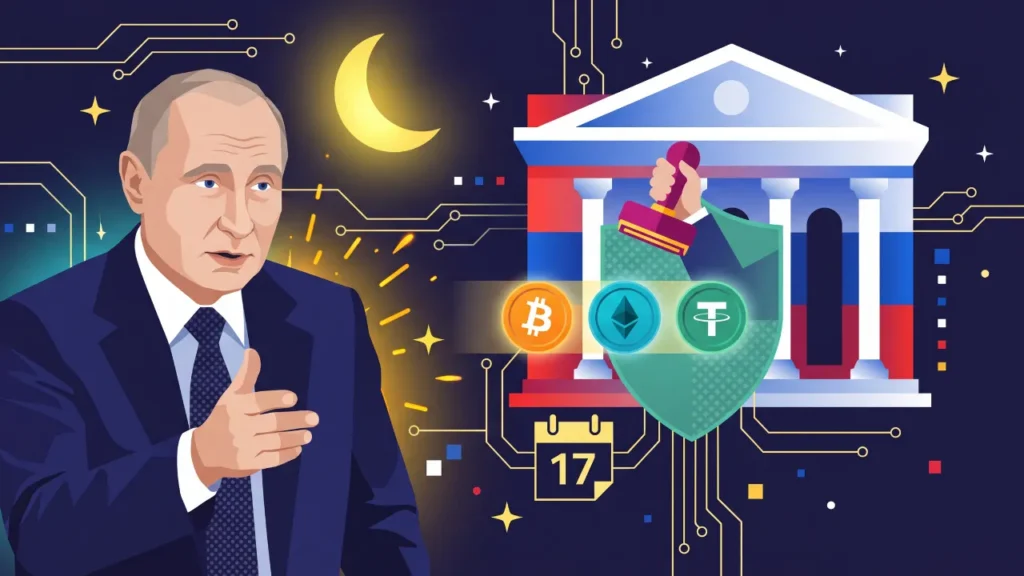
Russia’s central bank has approved Bitcoin, Ether and Tether’s USDT for retail trading, with the new rules taking effect on November 17, the Bank of Russia announced on Friday, November 6. Ordinary investors will be able to buy the three assets through regulated intermediaries, but only up to a yearly limit and after passing a test.
Under the rules, investors without qualified status can buy up to 300,000 rubles, about $3,700, of cryptocurrency per year through each intermediary, Cointelegraph reported. Qualified investors face no purchase limits. Social media posts have described the move as a simple approval, and the details show a tightly controlled opening.
What the central bank approved
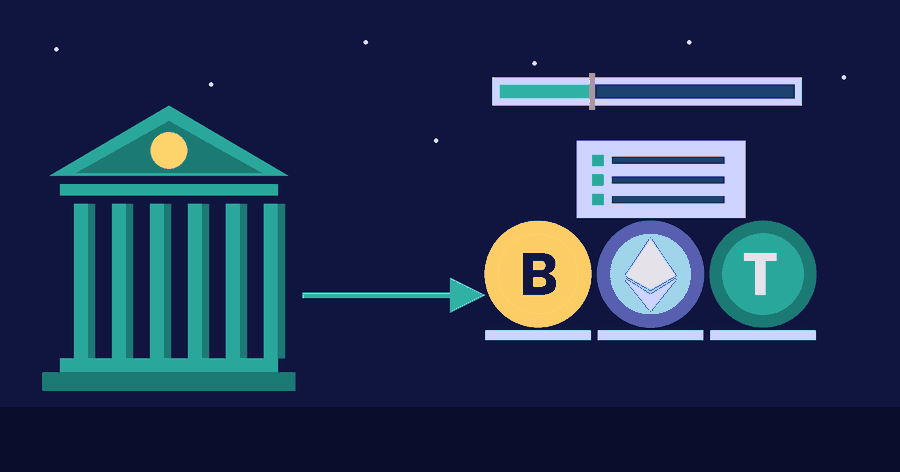
From November 17, exchanges will be allowed to admit Bitcoin, Ether and USDT to public trading, the central bank said. Non-qualified investors can reach the assets through brokers, asset managers and crypto exchange providers, on organized markets or over the counter. Qualified investors can access any cryptocurrency without restrictions.
JUST IN: 🇷🇺 Russia’s central bank officially approves Bitcoin, Ethereum, and USDT trading for retail investors. https://t.co/9k14jFrkF8
— Watcher.Guru (@WatcherGuru) November 6, 2026
The central bank said the list holds only the most liquid digital assets, chosen on criteria set in law. They include market capitalization, average daily trading volume and at least five years of price history on foreign exchanges. The aim is to protect retail investors from assets with weaker liquidity and shorter track records. Every investor, qualified or not, must pass a mandatory test before trading.
How Russia got here
- August 4: President Vladimir Putin signed a law creating a regulated cryptocurrency market under central bank oversight.
- August 11: The Bank of Russia published draft rules naming BTC, ETH and USDT as eligible.
- September 1: The law took effect.
- October: Sberbank, the country’s largest bank, was authorized to offer crypto exchange services and began testing crypto trading in its mobile app.
- December 1: Moscow Exchange plans to start crypto trading, first with pilot transactions in the three assets.
The step marks a change for a central bank that spent years warning against cryptocurrencies and pushing for tight restrictions.
What remains restricted
Access is limited to regulated channels. Cointelegraph noted that direct peer-to-peer crypto trading will be banned from July 1, 2027, and that transfers from regulated digital accounts to self-custody wallets are already prohibited. Russia also keeps its ban on paying for goods and services in cryptocurrency. In other words, the rules let people buy and hold three assets through licensed firms, but they do not make crypto a general payment tool.
What it means for the market
The immediate effect is likely to be modest. A cap of 300,000 rubles per intermediary limits how much new money a small investor can put in, and the test adds a hurdle. The larger shift is that crypto purchases will move onto domestic exchanges and bank apps that the regulator can supervise. How many people use them will depend on how Sberbank, Moscow Exchange and other platforms price and promote the service.
Rules differ widely by country, and so does the choice of exchange. Our guide to Binance vs Coinbase shows how availability and fees change by region.
What to watch next
- Whether brokers and banks begin offering the assets on November 17.
- The launch of Moscow Exchange’s pilot on December 1.
- Any additions to the approved list beyond the three assets.
- How the planned 2027 peer-to-peer ban is enforced.
This article is for information only and is not financial or legal advice. Rules and rates may change.